Satirified publishes a newsletter called Saturday Satire


The Global Reach of Satire: How Different Cultures Use Humor


Satire is a universal form of expression, but its style, tone, and impact can vary greatly across different cultures. What one society finds humorous and biting, another may see as offensive or ineffective. This article explores the global reach of satire, examining how different cultures use humor to critique, entertain, and provoke thought. By understanding these cultural differences, we can gain a deeper appreciation for the diversity and complexity of satire around the world.
Satire in Western Cultures:
In Western cultures, satire has long been a prominent form of social and political commentary. Countries like the United States, the United Kingdom, and France have rich traditions of satirical literature, theater, and media. From Jonathan Swift’s A Modest Proposal to Charlie Hebdo’s provocative cartoons, Western satire often combines sharp wit with bold critique, challenging authority and societal norms.
In the United States, satire has become a cornerstone of popular culture, with television shows like The Daily Show and Saturday Night Live playing significant roles in shaping public opinion. American satire often focuses on politics, celebrity culture, and social issues, using humor to highlight hypocrisy, corruption, and absurdity.
Satire in Eastern Cultures:
Eastern cultures also have their own unique approaches to satire, though it may be less overt than in the West. In countries like Japan, China, and India, satire often takes a more subtle and nuanced form, reflecting the complexities of social hierarchies, traditions, and political climates.
In Japan, for example, satire can be found in various forms, from manga and anime to television and literature. Japanese satire often uses irony and understatement, focusing on societal expectations and the tension between individual desires and collective norms. In India, satire is frequently used to address political corruption, social inequality, and cultural contradictions, with a long history of satirical literature and theater that continues to evolve in modern media.
Satire in the Middle East:
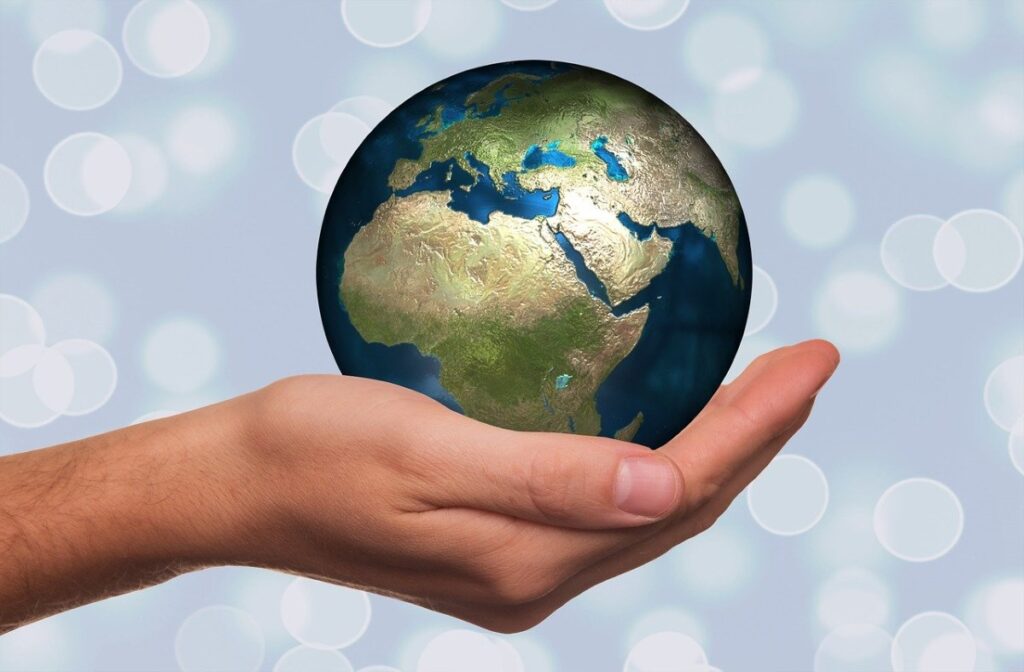
In the Middle East, satire has historically been a potent tool for dissent, especially in countries where direct criticism of the government is dangerous or forbidden. Satirical poetry, plays, and cartoons have been used to voice opposition to authoritarian regimes, often in coded language that allows for plausible deniability.
However, satire in the Middle East is not without its challenges. In some countries, satirists face censorship, harassment, or even imprisonment for their work. Despite these risks, satire remains a vital form of resistance, providing a way for people to express their frustrations and hopes in the face of repression.
Cultural Sensitivities and Satire:
Understanding cultural sensitivities is crucial when discussing global satire. What may be considered harmless humor in one culture could be deeply offensive in another. For example, religious satire is common in Western cultures but can provoke intense backlash in more conservative societies. This highlights the importance of context when creating or interpreting satire across cultural boundaries.
Moreover, the rise of global media and the internet has brought different forms of satire into closer contact, sometimes leading to misunderstandings or conflicts. Satirical content that goes viral can quickly reach audiences who may not share the same cultural background, leading to debates about the limits of free speech and the responsibilities of satirists.
Satire is a powerful and versatile form of expression that transcends cultural boundaries, yet it is also deeply rooted in the specific values, beliefs, and traditions of each society. By exploring how different cultures use humor, we can gain a better understanding of the role satire plays in shaping public discourse around the world. Whether through sharp wit, subtle irony, or bold critique, satire continues to be a vital tool for challenging authority, questioning norms, and sparking change in diverse and complex ways.