Satirified publishes a newsletter called Saturday Satire




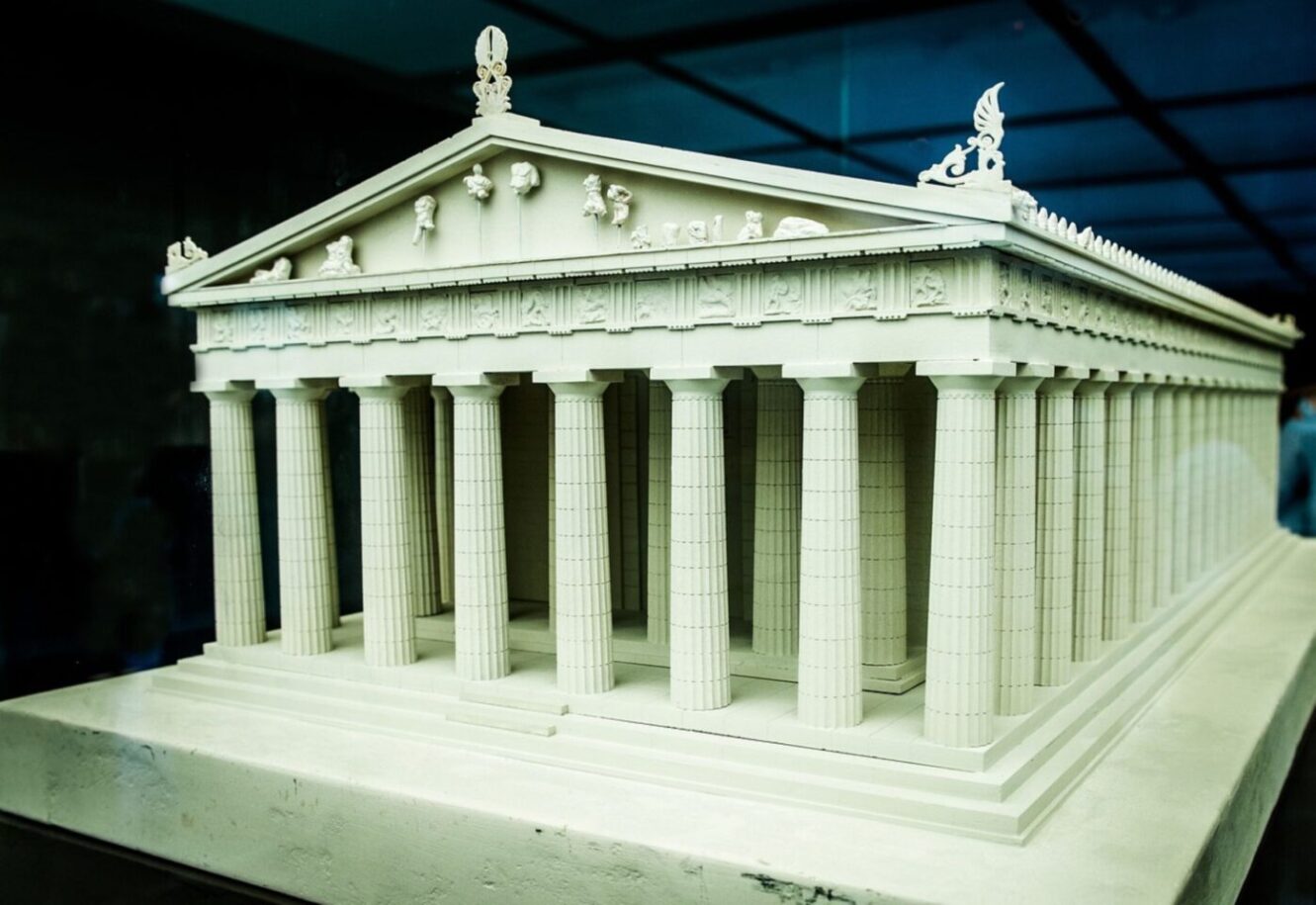



Satire and Politics
Satire has long been a powerful tool for influencing political discourse, shaping public opinion, and critiquing authority. By using humor, irony, and exaggeration, satire brings attention to societal and political flaws in a way that is engaging, thought-provoking, and accessible. Whether through literature, television, film, or digital media, satire has demonstrated its ability to challenge power structures and inspire meaningful conversations about governance, policies, and social issues. Here’s an exploration of how satire influences political discourse and why it remains a crucial element of modern society.


Why Satire is the Most Dangerous (and Necessary) Form of Comedy
Satire occupies a unique space in comedy—it’s both a weapon and a shield. While it entertains, it also exposes the uncomfortable truths many would rather ignore. This duality makes satire dangerous. Dictators fear it, corporations dread it, and even democratic leaders are wary of its bite.

How to Write Satire Without Getting Sued
Writing satire can be a risky business. While it’s meant to entertain and provoke, it can also land you in legal trouble if you’re not careful. The key to avoiding lawsuits is understanding the difference between satire and defamation. Satire is protected as a form of free speech in many countries, but it must be clearly exaggerated or fictional. If your work could be mistaken for a factual statement, you’re treading on thin ice. Here’s how to do it.

Satire vs. Fake News: How to Tell the Difference
In an era where information spreads at lightning speed, the line between satire and fake news often becomes blurred. Both can be entertaining, provocative, and even shocking, but they serve very different purposes. While satire is a legitimate form of humor and critique, fake news is designed to deceive and manipulate. Understanding the distinction is crucial for navigating today’s complex media landscape.

The Satirical Voice: How to Write Effective Satire
Writing satire is an art form that requires a delicate balance of wit, humor, and critique. Effective satire not only entertains but also provokes thought, challenges norms, and sometimes even incites change. This article offers tips and techniques for developing a strong satirical voice, helping aspiring writers craft impactful and memorable satire.

Satire for Beginners: How to Start Writing Like a Pro
Satire is a powerful and versatile literary tool that blends humor with critique, aiming to entertain while shedding light on societal flaws. If you've ever laughed at a political cartoon, enjoyed a parody, or been captivated by a satirical essay, you already understand its unique ability to inform and amuse. But how do you start writing satire yourself? Like any skill, it takes practice, creativity, and an understanding of the genre's nuances. Here’s a guide to help beginners channel their inner satirist and craft writing that packs a punch.

The Future of Satire: How AI and Technology are Changing the Game
As technology continues to evolve, so too does the landscape of satire. The rise of artificial intelligence (AI), machine learning, and digital platforms has transformed how satire is created, shared, and consumed.

Satire and Social Media: Memes as Modern Satirical Tools
In the digital age, social media has become a powerful platform for satire, with memes emerging as one of the most effective and popular tools for critiquing society, politics, and culture. Memes, with their blend of humor, brevity, and shareability, have redefined how satire is created and consumed.

Satire in the Age of Social Media: A Survival Guide
Satire has always been a powerful tool for exposing truths, critiquing authority, and making us laugh at the absurdities of life. But in the age of social media, it’s both more influential and more complicated than ever. Platforms like Twitter(X), Instagram, Facebook, and TikTok have amplified satirical content to a global audience, allowing it to go viral in minutes. However, they’ve also blurred the lines between satire, misinformation, and outright propaganda. For creators and consumers alike, navigating this landscape requires vigilance, creativity, and a firm grasp of intent. Here’s a survival guide for crafting and understanding satire in the digital age.

Satire and Activism: Using Humor to Drive Change
Satire and activism have long been intertwined, with humor serving as a powerful tool for driving social and political change. By using satire, activists can highlight injustices, challenge authority, and mobilize public support in a way that is both engaging and thought-provoking. This article examines the role of satire in activism, exploring how humor can be used to inspire change and the impact it can have on social movements.

The Psychology of Satire: Why We Laugh at the Truth
At its core, satire works by subverting our expectations. It takes familiar situations, beliefs, or figures and presents them exaggeratedly or absurdly, prompting us to see them in a new light. This cognitive dissonance—where what we expect is contrasted with what is presented—triggers a response that can range from amusement to discomfort.

